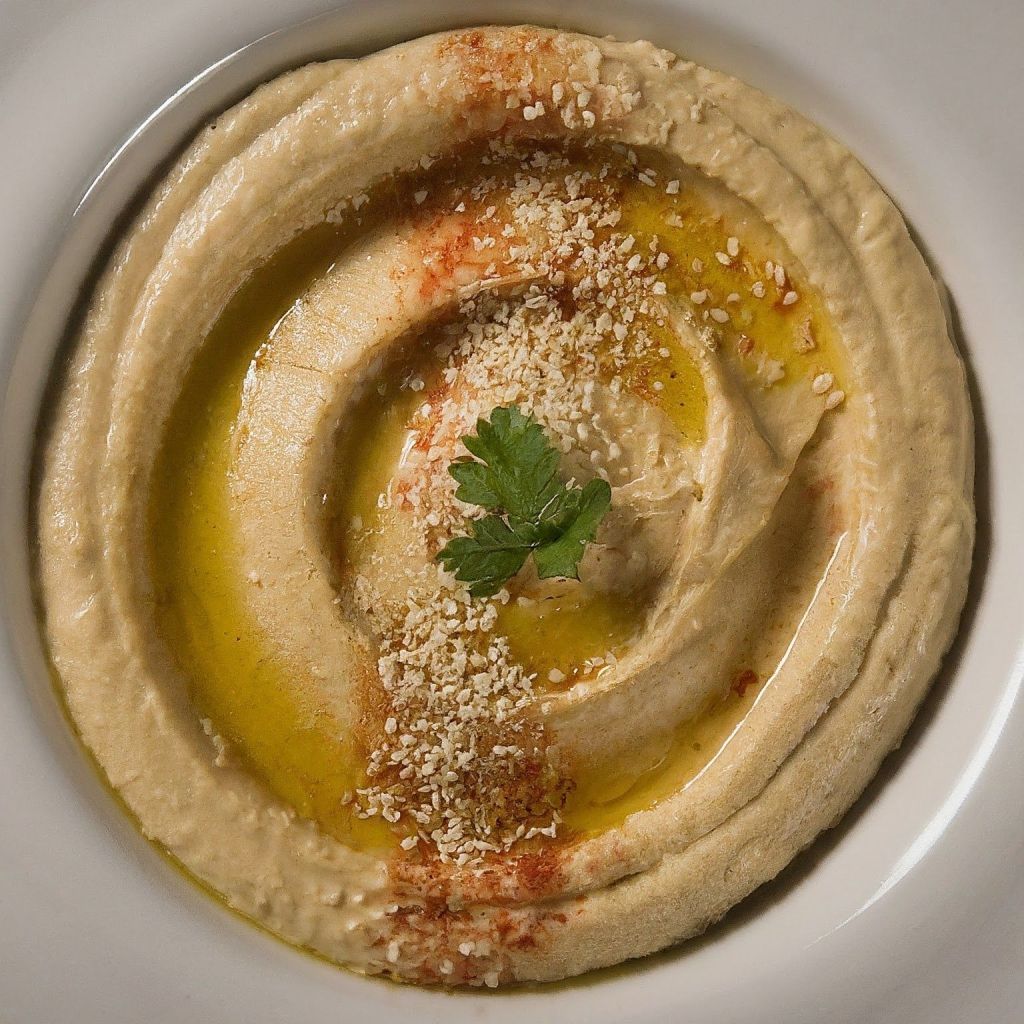
I have the exact proportions for the ingredients because I got the recipe from a vegetarian cookbook but in reality I still followed my senses.
One of the characteristics of Mediterranean cooking is the use of chickpeas or garbanzos. This is probably apparent in Filipino dishes which trace their roots from Spain (think menudo and pochero, among others). Chickpeas are versatile in that they can be part of almost any vegetable or meat recipe, adding a discreet yet full-bodied flavour to the dish.
Hummous (also spelt as hummus or hummos) is mainly made of chickpeas, a very rich source of protein. My first taste of hummous was as part of an appetiser in a Persian restaurant, when shawarma stands were a fad, most probably introduced by former OFWs from the Middle East. But it was only recently when I lived in a kibbutz that I discovered for myself how versatile this paste/sauce could be when we had it as a mainstay in the dining hall. One can spread it on bread by itself or as a substitute for mayonnaise, or as a condiment for meat and fish. Coming home to the Philippines, I tried to reproduce the taste and with very satisfactory results.
For a proper hummous however, one needs tahini (or tahina). This is an oily paste made from sesame seeds that are roasted and ground and is widely used in the Middle East. It is useful as a flavouring in dips and sauces and can be used as a binding agent in rissoles and roasts. It is a staple food in most countries around the eastern end of the Mediterranean, and is used in Middle-Eastern cookery to give a strong nutty flavour to salads and sauces. In most western countries, it is available in large supermarkets, Greek shops and delicatessens. But I also reproduce the recipe from scratch.
It is easy to cook hummous and tahini but it can be a bit fussy as it takes time and much blending. Below are the recipes.
Hummous
150 g (8 oz) chickpeas (garbanzos or Kirkererbsen, soaked overnight if using dried peas (I find them more flavourful than the tinned chickpeas but you can also use them if desired)
150 ml (1/4 pint) tahini (sesame seed paste, recipe from scratch below)
3 cloves garlic
juice of 1-2 lemons
salt and pepper
TO FINISH:
1 tablespoon olive oil blended with 1 teaspoon paprika
1 teaspoon chopped parsley
- Drain the chick peas, place in a pan and cover with cold water. Bring to the boil, cover and boil rapidly for 10 minutes, then simmer gently for 1 ½ to 2 hours, until soft; the time will vary depending on the age and quality of the peas. Drain, reserving 300 ml (1/2 pint) of the liquid.
- Place the chick peas in an electric blender or food processor, and blend to a paste. Then add the remaining ingredients, seasoning with salt and pepper to taste, and enough of the reserved liquid to blend to a soft creamy paste.
- Turn into a shallow serving dish, dribble over the blended oil and sprinkle with the parsley. Serve with pitta bread.
Serves 8 to 10
Note: This will keep for up to 1 week, covered in the refrigerator.
Tahini
Ingredients
175 mL (3/4 cup) sesame seeds, roasted till golden brown
1 clove garlic, crushed
juice of 11/2 – 2 lemons
175 mL (3/4 cup) water
5 mL (1 tsp) salt
50 mL (1/4 cup) finely chopped parsley
Directions
- Preferably with a stone mortar and pestle, pound sesame seeds till it forms a dry paste. I prefer this method to grinding in a food processor as it results in a better and oily consistency.
- In a deep bowl beat the sesame paste with the lemon juice and crushed garlic until creamy. I recommend that the lemon juice be added first to the sesame paste, for this method makes the sauce lighter in colour and creamier in texture. The water is added next, in gradual amounts, stirring thoroughly after each addition to avoid the formation of lumps. Add water bit by bit, beating well after each addition. The same procedure should be followed using a blender.
- Add salt and parsley and stir. Add more lemon juice if needed. The sauce should be tangy. Refrigerate for at least 15 minutes. Spoon over individual servings of baked or fried fish, or on pitta bread.

 The Pilgrim's Pots and Pans
Leave a comment