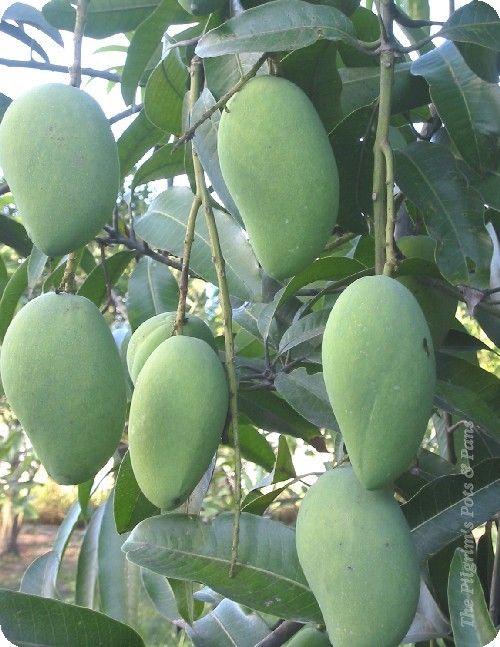
One of the benefits of being read in a newspaper is how information seems to run after you. I would never have gotten as many leads doing academic research. Everyone seems to enjoy giving me new information. Now and then, there are eureka moments. Time and again, I get thought-provoking inquiries which in turn send me into uncharted territory. But very often, wonderful SunStar readers share with us their thoughts on previous topics, which of course add more flavour to the stew, so to speak.
An excellent example is an e-mail I received a few days ago. It was sent by Mr. Joseph Sison, Agricultural Attache assigned to the Philippine Embassy in Tokyo, Japan. One of his responsibilities is to make sure Philippine fruits including mangoes which are exported to Japan enter the Japanese market without any problems. Mr. Sison wrote in response to this column’s feature on mangoes. He must have been responding to this part of my article:
It was then that a Mexican colleague mentioned how in his country the best mangoes are called Manila. I have heard of manila paper, manila envelopes and manila hemp but Manila mangoes? And then, just last month I found out there are Manila bananas, but that’s another story. I was amused because mangoes are not grown commercially in Manila, unlike in Cebu, Guimaras and Zambales. Of course I’m being silly and literal here.
Below are excerpts from his e-mail:
“Allow me to offer my theory on why the Mexicans call their mango “Manila mango”. In the mid-1980s, a group of mestizos went to several mango juice factories in the Manila area offering to buy all the mango seeds which came out of the mango puree extraction process. Since these seeds were waste materials which would be thrown away anyway, they were allowed to take as much as they wanted. It turned out that these “mestizos” were Mexicans and the seeds they took were brought to Mexico where they were planted in the southern provinces which climates approximate that of the Philippines. However, soil conditions, rainfall and other weather patterns in Mexico are different so the Mexican mangoes that one finds in the supermarkets all over the US are markedly different from our carabao mangoes. I believe that those mestizos were unaware of the different varieties that you mentioned in your article and these were inter-planted together. The cross-pollination that resulted produced the mango fruit that the Mexicans call their Manila mango.”
Research literature shows that mango trees in Mexico came from the Philippines, as a result of the Galleon Trade. I also thought that the best Mexican mangoes are called Manila as it is customary to name plant and fruit variants after the capital of the country where they originate, like how we call some Thai cultivars of santol and other fruits Bangkok. However, Mr. Sison’s e-mail sheds a different light into the picture and I will definitely follow this lead in future research.
Finally, still from our friendly Agricultural Attache, some words of encouragement for our mango farmers:
”The Philippines presently exports 7,000 metric tons of mangoes to Japan each year. I can see that the market in Japan will expand as the mangoes get out of the cities and go to the prefectural and municipal markets. Japan has the capacity to comfortably absorb an annual volume of 20,000 metric tons of mangoes a year.”
Oh, life can be so sweet!

 The Pilgrim's Pots and Pans
Leave a comment