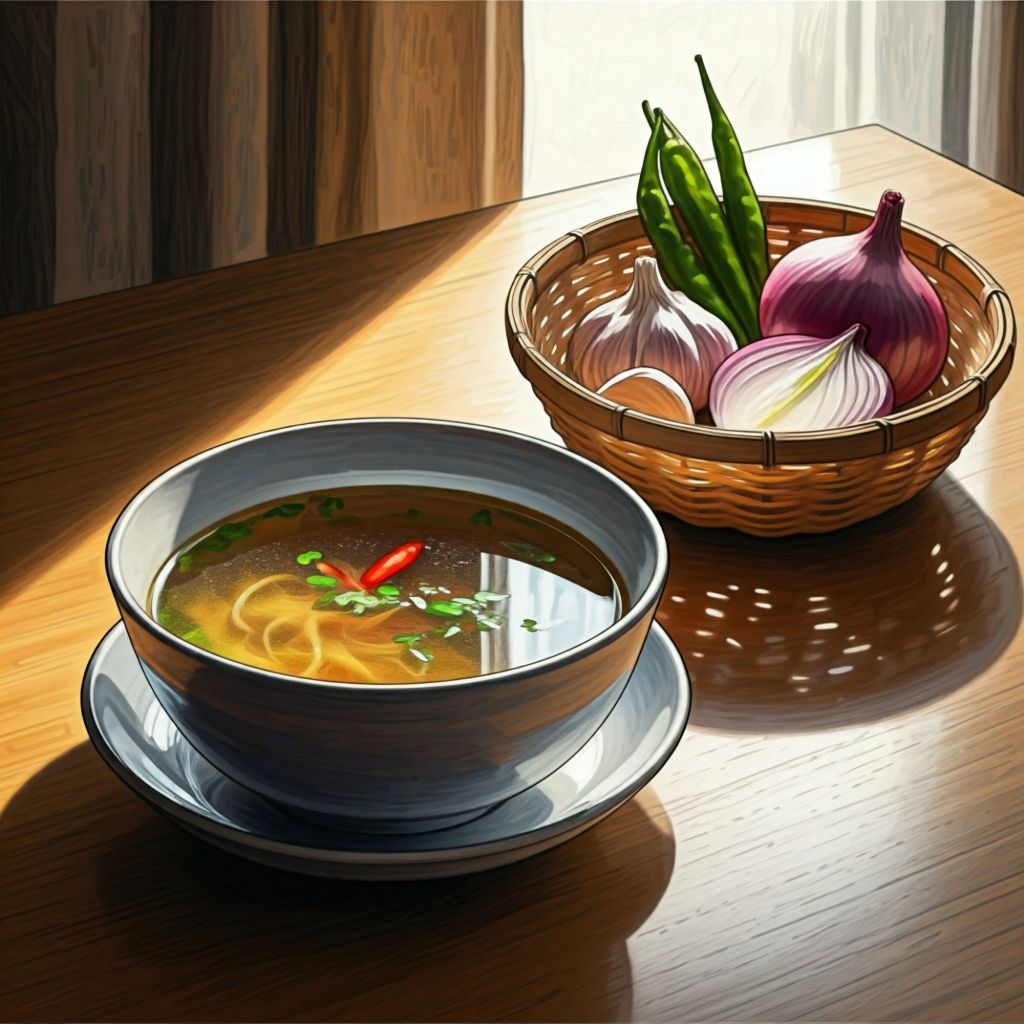
This was a wild goose chase and in researching about Capampangan cuisine, I am used to it. In Mariano A. Henson’s book The Tastes and Ways of the Pampango (1970), he lists dishes with “Capampangan titles”, as he calls them. Of those enumerated, there is only one which I couldn’t trace, that of “sabo calang” which literally means soup from or of the stove. He does not provide a recipe, not even a description. I searched online and only the late Francis Musni gave it a passing mention in an interview. He refers to it as a humble soup but there is also no description, what the ingredients are, or the method of cooking.
What then is this soup? I asked Capampangans on- and offline if they have heard of this. No such luck. Knowing that both the late Mariano Henson and Francis Musni had Porac in common, I tried to narrow the search to the second district of Pampanga (my district – Guagua, Floridablanca, Lubao, Porac, Santa Rita, and Sasmuan) plus Bacolor – because it is adjacent to us and our cooking techniques are very similar.
It did not take long for Mrs. Leonila Simpao Macapagal to respond via her son Dr. Chester, the up and coming pediatric optometrist from Santa Rita. According to Mrs. Macapagal, sabo calang is any soup with no specific recipe. Whatever ingredients are available are placed into a pot with water, seasoned with salt and pepper, and the broth is good to go. The usual instructions were to mention the name of the main ingredient and “isabo me quing calang” (cook it into soup).
Old Capampangans would always look for hot soup or even just a simple broth which they could sip (ilupan in the vernacular) with their meals. We were discussing this within a group and we all tried to remember the older generation cooking similar broths to accompany what they called pamangan malangi or dry food. This meant a meal of rice, fried meat or fish, perhaps a boiled egg, and a few pieces of steamed or fried vegetables. On days we couldn’t cook, we would sometimes open a bag of chicharon, slice some tomatoes and a salted egg, plus the old reliable no-recipe broth.
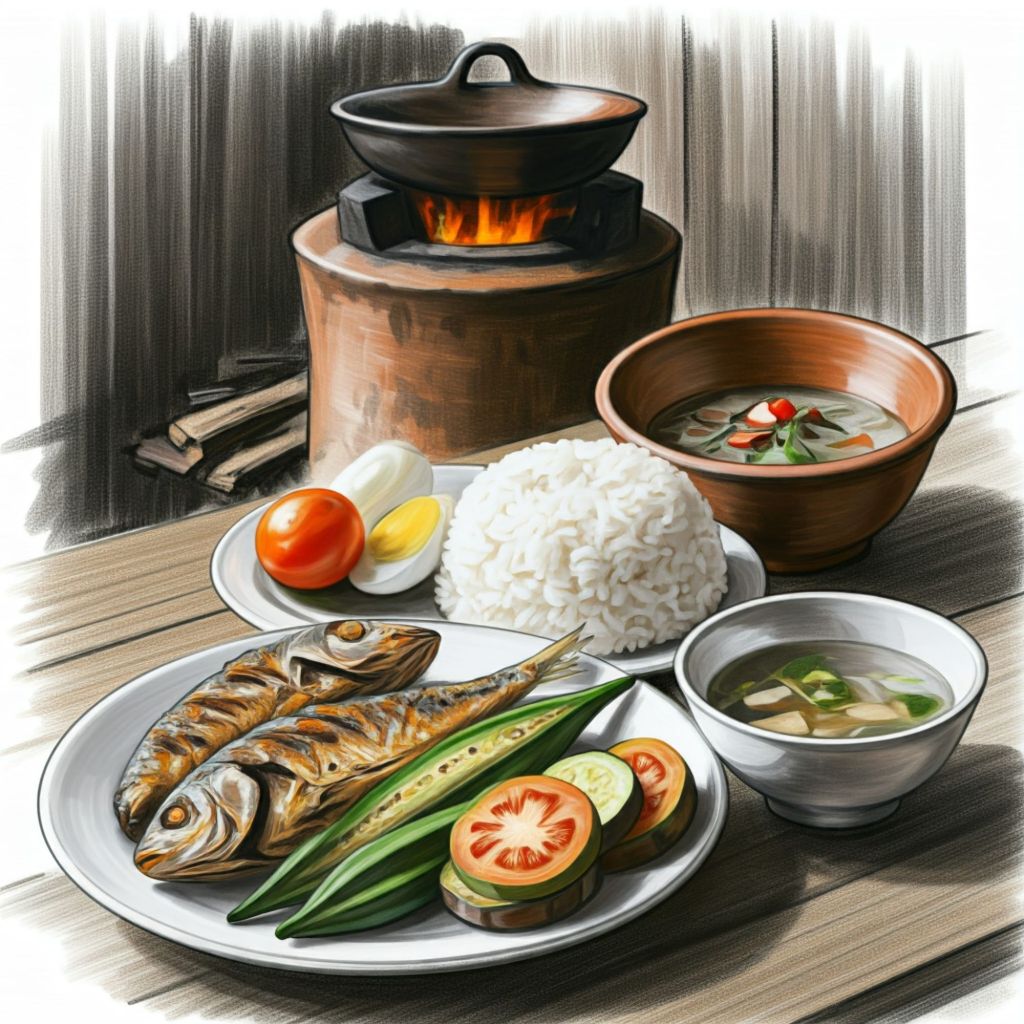
My own grandmother always had something ready to accompany any “dry” meal. We always had frozen leftover ligang babi or manuc, sigang, or tinola, even if it was just the liquid without the meat, which would be re-heated for eventualities like this. If there was none, she would cook a simple egg drop soup – sautéed garlic, a cup or two of water, beaten egg, some misua, salt & pepper to taste and some chilli pepper leaves. An alternative would be a boiled and mashed tomato, simmered in water, salt and pepper for seasoning, with amaranth or talinum leaves. Sometimes it is just lightly sautéed garlic and ginger with any vegetable or green leafies found in the refrigerator or the garden.
In our clan and in other households, what I also noticed is how this requirement for soup or any warm broth is most especially when there are children. No child was allowed to eat a dry meal. The point was to have warm liquid with whatever was being eaten. I have yet to investigate this further. But from what I remember, this comes from the perception that hot meals help the body absorb nutrients better and also aid in digestion. There is also the belief that hot soup boosts the body’s energy.
At least for now, I am fairly satisfied with how the search for the elusive or even mysterious sabo calang has ended. However, I will keep asking others if they have heard of it and if they have no-recipe soups, and if like us, hot soups are also a requisite accompaniment with dry meals. I am sure the resulting treasure trove of information will be delightful!
For readers who have information or similar stories about their traditional meals, be they Capampangan, Filipino from other regions, or from other cultures from other parts of the world, come and share your stories!

 The Pilgrim's Pots and Pans
Leave a comment