Food Memories from Childhood as the theme for Lasang Pinoy 10 is most fitting for me. I always say that what I know about cooking has much of its foundations in my childhood. My appreciation for the intrinsic values of traditional cooking methods was born from that period and is in no small measure learnt from my grandmother. Today, 31 May 2006 is her 20th death anniversary. She may have been gone for two decades, almost two-thirds of my life but the seeds that she planted have grown and bloomed. After all, I am writing about it, am I not? 🙂
When I eat with children nowadays, I wonder, if my grandmother was alive today what would she have said about their eating habits. She who had many rules about cooking had as many about eating. Aside from table etiquette, there were rules about serving food. Specific platters or bowls were used for corresponding viands. There were many unspoken rules such as what we ate for specific meals and how many times a week we were supposed to have meat.
Lola was strict about having vegetables and fruits at every meal. Fish was preferable over meat. Chicken, pork or beef were served twice or thrice a week at most. We never felt meat-deprived however, because it was accessible to us anytime – stored raw in the freezer, or cooked in clay pots. We could always ask for a bite but no more.
On any given day, we had a pot of adobo, pacsi or umba, kept in the paradul asan (kitchen cupboard). These are the traditional dishes that keep for a long time without refrigeration. They were not only for our consumption but were a testament to Lola’s sensibilities as a gracious homemaker. She was someone who was never caught with nothing to serve if unexpected guests arrived. ‘Unexpected guests’ ranged in numbers from a single individual to a battalion of friends. It was not unusual for us to entertain hordes, given how my Lola had twelve children.
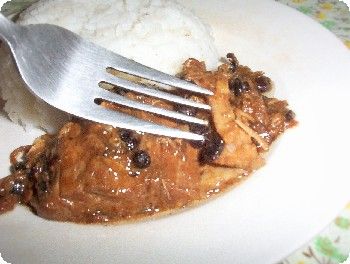
One of the old reliables we had was umba (humba in Tagalog), which is braised salted pork (from the Chinese ‘hong ba’ or ‘hong ma’ = red meat). It takes at least two days for this dish to attain its proper flavour. From my research I found out that the old way of cooking this is to season, simmer over low fire and then to bury the clay pot in soil and leave it undisturbed for at least a month. My great grandmother was said to have a pig slaughtered around Christmas and buried a pots of umba for six months, to be taken out for those who laboured in the fields during planting season (cauran, May to August). Given the cooling properties of clay pots, further enhanced by being buried, this is the old way of preserving meats, a precursor of modern-day refrigerators.
Someday perhaps I’ll try to experiment with the underground method my Apu Sinang utilised but for now, we’re having umba the way my grandmother cooked it. This is our town’s version and is fairly similar to that of many Luzon provinces except that it uses more spices. Unlike its other counterparts, our umba is not pervasively sweet. The sugar is only meant to neutralise the saltiness. Properly cooked, the sweetness shouldn’t even be discernible.
Because of its saltiness, we never ate umba on its own. It has always been served with other dishes which made it seem like a side dish to enhance the main meal. Even today, when our clan gathers and has this cooked, we eat it that way. A small slice (approx. two tablespoons) is more than enough for one person.
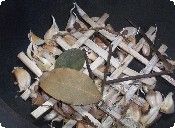
Here, the meat was in a clay pot fitted with a bamboo lattice (sala-sala) was simmered over a clay wood-burning stove. Mrs. Lillian Borromeo makes her lattice from strips of sugarcane (atbu) and I think that works perfectly too. The lattice is meant to protect the meat from sticking to the bottom of the pot due to repeated simmering. It is also the means by which the sauce, the spices and drippings blend well.
Umba
1.5 kg. slab pork manilla with skin (part between the jowl and the belly)
1/2 cup soy sauce
1/2 cup vinegar
1 tauri (tahure, salted bean cake)
100 g. tausi (salted black beans, leave half of the liquid)
4 heads garlic, unpeeled (small, ‘Ilocos’ variety, more if using large)
2 laurel leaves
1 bunch dried oregano
1 sanqui (star anise)
5 clavos de comer (cloves)
1 stick canela (cinnamon stick)
2 tbsp. pinocha or brown sugar (optional)
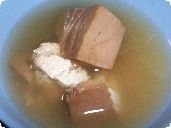
Soften the tauri by soaking in half a cup of water. Break it into several pieces to make sure it is properly immersed.
Arrange some of the unpeeled cloves of garlic and spices at the bottom of the pot. Over these, fit the salasala and then the meat. Give the skin a grid-like slice to help in rendering the fat as it cooks. The slices of meat with the most fat should be at the bottom followed by the lean slices. Place a full head of garlic in the centre.

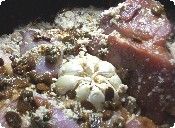
After arranging the meat, mash the tauri into the water until it is generally free of large lumps. Pour this over the meat in the pot.
Pour the soy sauce, the vinegar and the tausi over the meat. Let it marinate for an hour then place over medium fire till the liquid boils.

Simmer for 30 minutes then slowly turn the meat over. Simmer for around an hour then take off the fire to cool. Let the meat stand overnight.
The next day, simmer the meat for around 15 minutes before turning, then simmer for another 30 minutes. At this point it can already be eaten but it would take another day of repeating this procedure for the pork to have absorbed all the flavours and to be meltingly soft, the skin having the consistency of jelly.
Umba, estofado and pacsi are often confused for each other nowadays. We shall deal with the two other recipes in the future but for now, here’s the shorthand for remembering the difference.
Umba = malat (salty)
Pacsi = maslam (sour)
Estofado = mayumu-yumu (sweetish)
Thank you Chef Sam for hosting this month’s Lasang Pinoy!


 The Pilgrim's Pots and Pans
Leave a comment